
Monitoring and analysis of traffic volumes
Smart management of traffic data
Traffic volume measurement sensors, combined with the StreetAI smart city system, enable efficient data collection, cost-effective maintenance, and the use of historical data in urban planning.

Promoting road safety
The focus is on ensuring the safety of residents and promoting sustainable mobility.

Proactive maintenance
Measure critical areas and allocate maintenance resources where they are truly needed.
.

Resolve the uncertainty
Real-time data on traffic congestion peaks, traffic speeds, and vehicle composition.

Utilize historical data
Use the collected data in urban planning and base future investment decisions on actual data.

Speed displays
Speed displays show the speeds and numbers of passing cars.
Sensors connection: 4G
Why speed displays?

Improving traffic safety and reducing speeds in critical areas. Highly effective in areas where speed is a major factor, such as near schools and daycare centers, in residential areas, and at construction sites.
Quick deployment and portability: They can be set up quickly and moved from one place to another as needed.
Provides cost-effective data collection on traffic volumes and vehicle speeds. Speed displays collect data on the number of vehicles, average speeds, and peak speeds.
The collected data serves as evidence and justification for potentially more expensive infrastructure projects (e.g., speed bumps or roundabouts) or future project proposals.
Speed displays are not just signs; they are a cost-effective tool that has been proven to reduce average speeds (by approximately 5–10 km/h) and thereby improve traffic safety. In addition, they collect important data that can be used to effectively target enforcement efforts and justify future investments in traffic management.
Request a quote!
Pedestrian and bicycle traffic
A sensor based on radar technology for counting cyclists and pedestrians.
Sensors connection: LoRaWAN
Why conduct traffic counts for pedestrians and cyclists?
A continuous overview of the current situation, along with historical data, provides a factual basis for investment decisions and enables the monitoring of the impact of those investments.
Collected data makes it possible to identify potential problem areas—for example, locations where driving speeds are too high.
A real-time overview helps prioritize maintenance where traffic volumes are highest.
With traffic counting, decisions can be made based on data, leading to a safer, smarter, and more cost-effectively maintained urban environment.
Request a quote!

Utilize all the data
Data collected by existing information systems and sensors can be integrated into the StreetAI smart city system and displayed together in a single, clear map view.
Pre-built interface integrations are already available for the following:
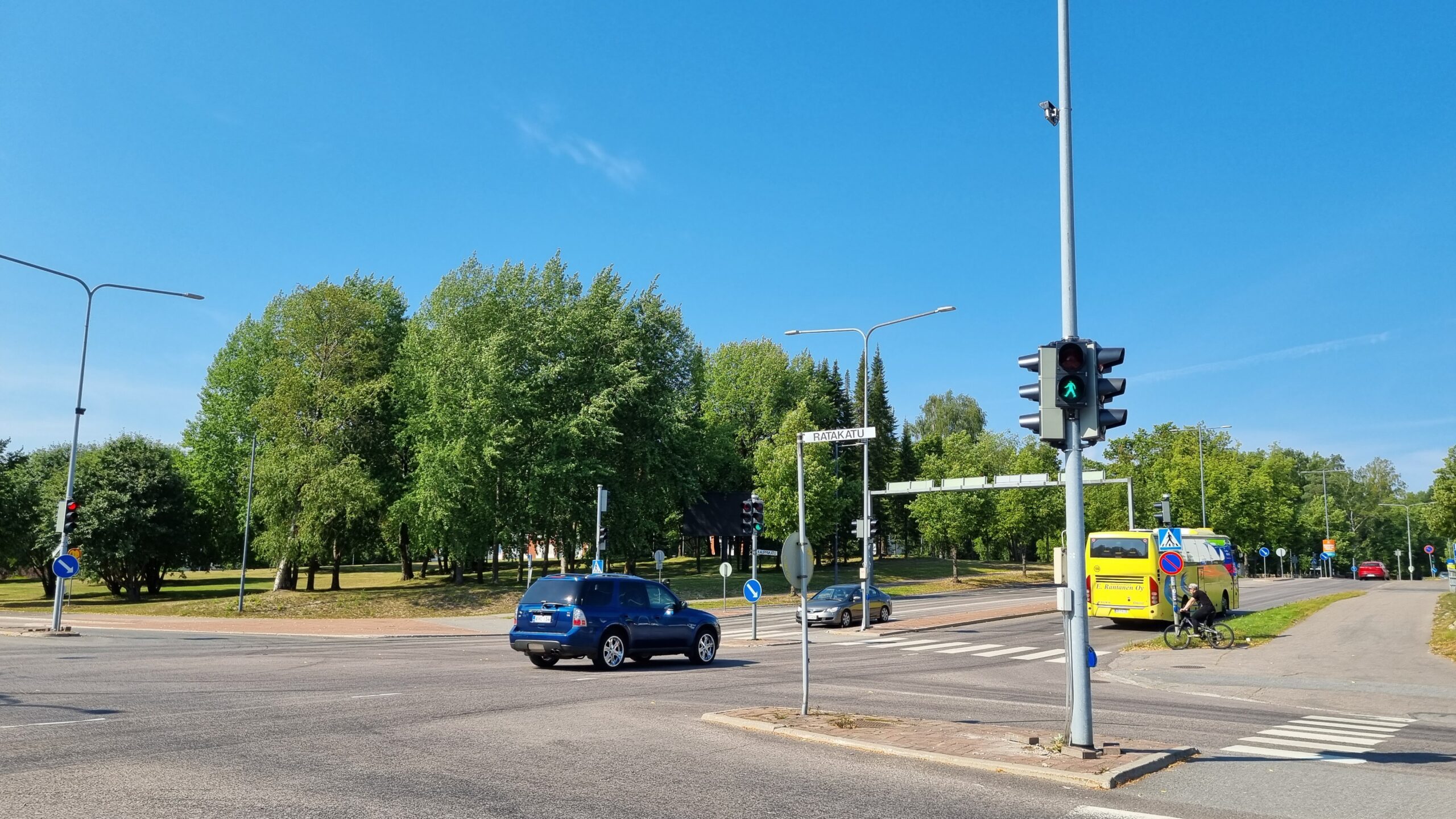
Nodeon traffic measurement system
Nodeon’s radar-based sensors detect and classify motor vehicles approaching an intersection by lane and it can also identify pedestrians and cyclists.
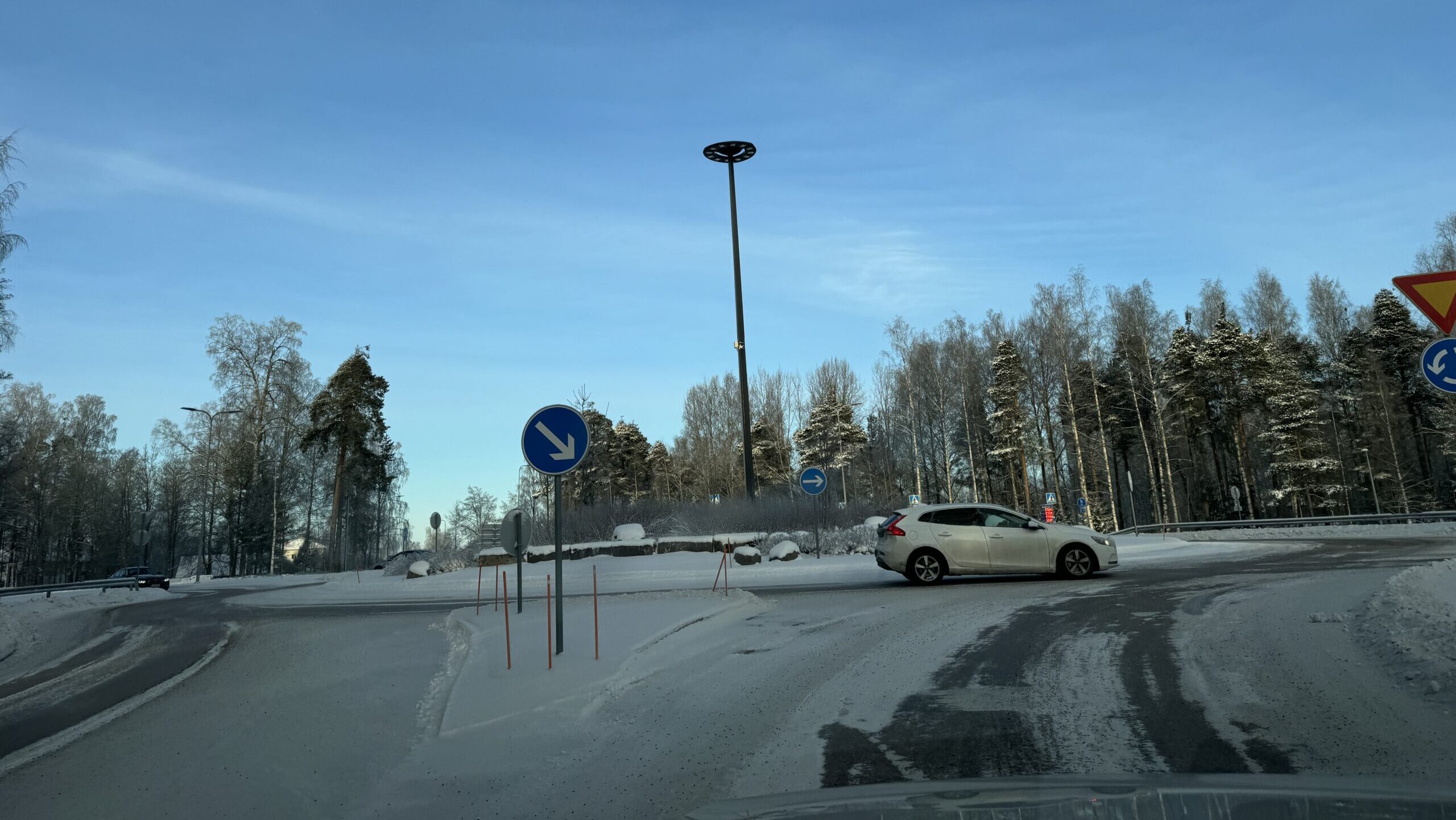
MarshallAI traffic measurement system
MarshallAI’s intelligent traffic counting system detects and classifies motor vehicles approaching an intersection by lane and it can also identify pedestrians and cyclists.
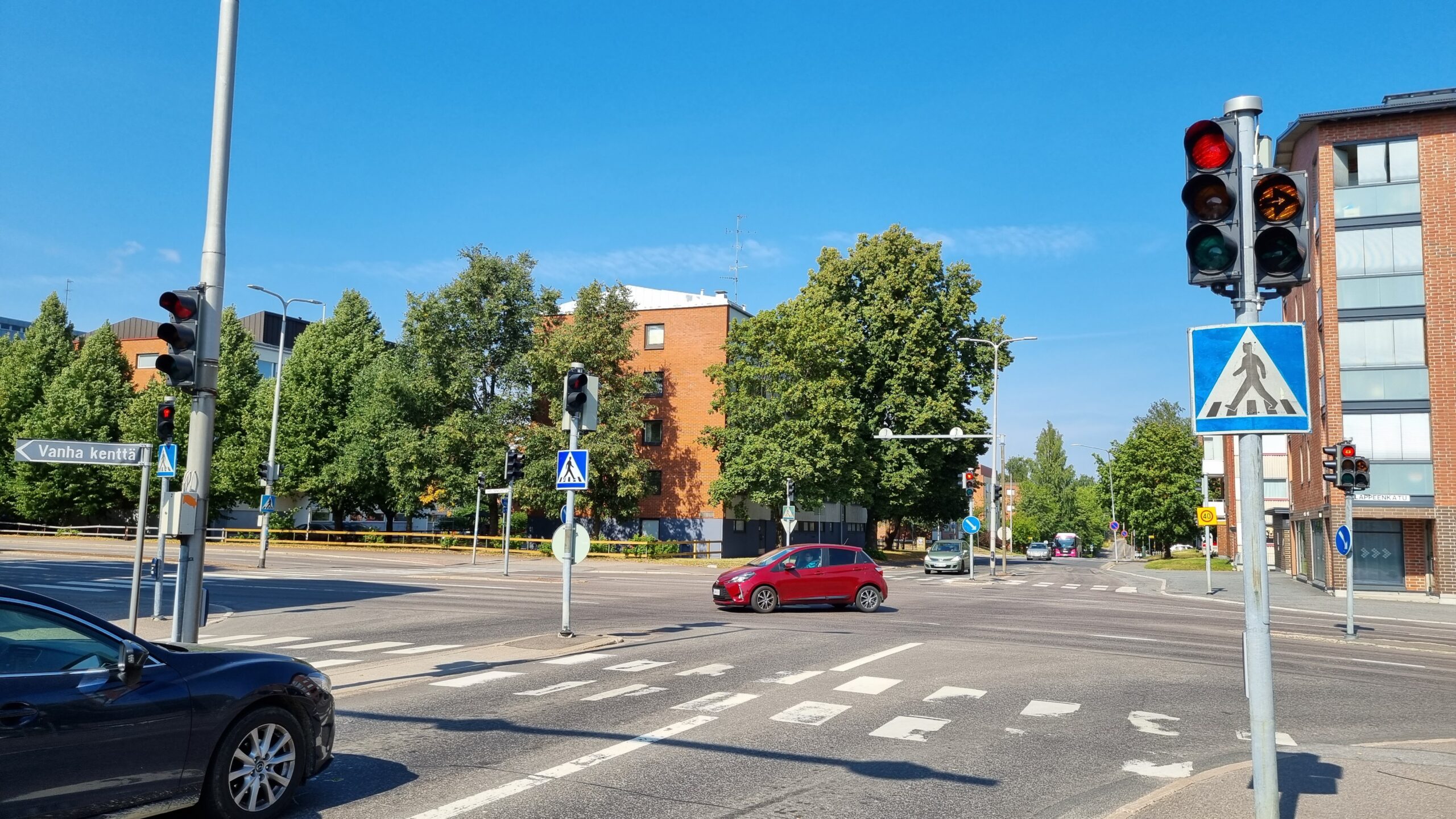
Swarco traffic light induction loops
The data collected by Swarco’s traffic signal systems and traditional induction loops is transmitted directly to the StreetAI system via interfaces.
Developing a modern and functional urban environment and transportation system requires reliable, comprehensive, and up-to-date data as a foundation. Merely relying on guesswork or random samples is no longer sufficient when building the smart cities of the future.